Why Your Orlando Thermostat Reading Doesn't Match Room Temperature
Published: 2026-06-24 · By ForstChill AC Repair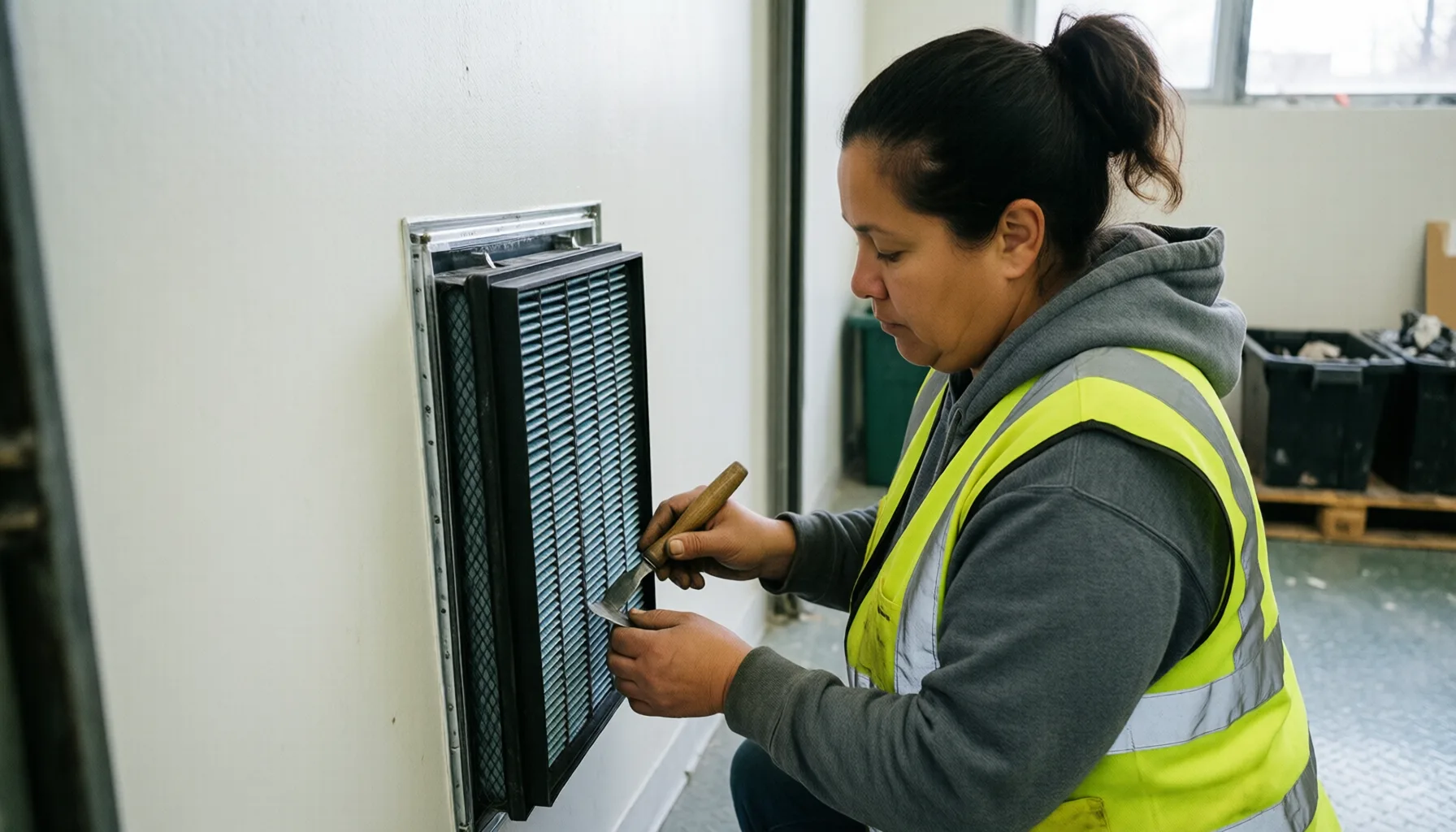
Picture this: it's a sweltering summer afternoon in Orlando, and you're relying on your thermostat to keep your home cool. You look at it, and it shows a pleasing 72°F, but when you step into the next room, you're greeted with a stifling wave of heat. Frustration sets in as the discrepancy causes you to doubt both your cooling system and the reliability of your thermostat. If this scenario sounds familiar, you're not alone. Many Orlando homeowners encounter thermostats that fail to reflect the actual room temperature accurately. Understanding why this happens can save you from undue stress and ensure your comfort during our humid summers.
Why This Matters for Orlando Homeowners
In Orlando's tropical climate, mismatched thermostat readings can be attributed to a number of factors that affect your HVAC system's efficiency. High humidity levels can lead to condensation on your air conditioning unit, creating a false reading that may mislead you about indoor conditions. Additionally, the corrosive salt air prevalent near coastal areas contributes to faster deterioration of components, causing your HVAC system to work harder to maintain desired temperatures.
The positioning of your thermostat can also impact accuracy. If it's placed in direct sunlight or near heat sources such as vents and appliances, it may register a temperature higher than the actual air temperature in the room. This misplacement is particularly common in homes with open floor plans that allow for uneven temperature distribution.
Tip: Ensure that your thermostat is installed in a location where it can read the average temperature of the home, away from direct sunlight and drafts.
It’s crucial for Orlando homeowners to address these discrepancies not only for comfort but also to avoid unnecessary energy costs. A malfunctioning thermostat leads to increased strain on your HVAC system, potentially resulting in costly repairs or lower lifespan.
Expert Solutions & Actionable Tips
1. Understand Your Thermostat Types
Not all thermostats are created equal. Manual thermostats may not offer the precision you need in a climate as variable as Orlando’s. If you're using an older, non-programmable model, consider upgrading to a smart thermostat. These devices can adjust to humidity levels and provide more accurate readings, typically costing between $100 and $250 for a quality unit, depending on features like Wi-Fi connectivity.
2. Check Your Air Filters Regularly
Dirty air filters can inhibit proper airflow, making your HVAC system work harder and skewing temperature readings. For optimal performance, check your filters monthly and replace them every 1-3 months, especially during peak usage in summer. This simple maintenance task can cost as little as $10 per filter but will save you on energy bills and extend system longevity.
3. Consider Your Home's Insulation
In an area like Orlando, proper insulation is vital to maintaining a stable indoor temperature. Check for gaps or leaks around doors and windows where conditioned air can escape. Upgrading insulation or using weather stripping can run from $200 to $600, but this investment pays off by improving your home's energy efficiency and keeping both humidity and temperature at optimal levels.
4. Utilize Ceiling Fans Effectively
Ceiling fans can be a great way to balance out temperature variations in your home. When set to rotate counterclockwise in warm weather, they create a wind-chill effect that can allow you to raise your thermostat setting by about 4°F without sacrificing comfort. The average cost to install a ceiling fan is around $150 to $300, depending on the complexity of installation.
5. Regular HVAC Maintenance
Preventative maintenance of your AC unit is essential, especially in a humid environment like Orlando. Scheduling a professional inspection at least once a year can catch issues early before they escalate into major repairs. Maintenance services generally cost between $70 and $150 and can significantly prolong the operational life of your system.
6. Monitor Indoor Humidity Levels
Investing in a hygrometer to monitor indoor humidity can complement your thermostat's performance. Ideally, indoor humidity should be between 30% to 50%. Excess humidity can cause discomfort and impact temperature readings. A decent hygrometer will cost around $20-$50 and help you manage indoor comfort more effectively.
Orlando Climate & Local Context
Orlando's subtropical climate means we experience significant heat and humidity throughout much of the year. The combination of humidity and the salty air from nearby coastal waters can lead to more rapid wear and tear on appliances and HVAC systems. Elevated homes with effective moisture barriers are common in Florida, serving to mitigate the effects of high ground moisture levels. Many properties feature a variety of insulation levels and building materials that can also influence an HVAC system's efficiency and the accuracy of thermostat readings.
Local building codes require certain compliance levels to ensure that systems are up to par with humidity management. Homeowners should familiarize themselves with these regulations to avoid issues when it comes to renovations or updates to HVAC systems. Keeping abreast of local building codes can prevent costly penalties and ensure that improvements contribute to a more energy-efficient home.
When to Call a Professional
While it's tempting to tackle every household issue independently, there are scenarios where the expertise of a professional is critical. For instance, if your thermostat inconsistently picks up temperature readings or your HVAC system continually struggles to reach your set temperature, these symptoms require closer inspection. In some cases, professional evaluation might be necessary to identify underlying issues that DIY efforts could miss.
- Mismatched readings persist despite adjustments.
- Strange noises or odors from the AC unit.
- Humidity levels remain high even with the system running.
- Frequent system cycling on and off.
- Visible wear on components or outdoor units.
- Unexplained spikes in energy bills.
- Recent storm damage that may affect the system.
- New thermostat installations that produce erratic behavior.
For most routine inspections or repairs, homeowners may feel equipped to handle the task at hand. However, if you encounter any of the red flags mentioned, enlisting the help of a trusted professional is paramount to maintaining system integrity and your comfort.
Frequently Asked Questions
What causes a thermostat to read incorrectly?
Thermostat inaccuracies often stem from improper placement, high humidity, or even dirt on sensors. In Orlando, these issues are intensified by our coastal climate.
How can I tell if my AC system needs repairs?
If your AC is making unusual sounds or not cooling effectively, it's often a sign of underlying issues. Persistent humidity or fluctuating temperatures warrant a professional inspection.
Is DIY thermostat calibration advisable?
While some basic adjustments are possible, calibration often requires specialized knowledge. It's best to consult with HVAC professionals if you encounter discrepancies.
How often should I schedule HVAC maintenance?
In humid climates like Orlando, annual maintenance is essential to keep your system running efficiently and prolong its life. A seasonal check-up is recommended.
What should I do if my thermostat is unresponsive?
First, check power connections and batteries if applicable. If the issue persists, contact a professional like ForstChill AC Repair to diagnose the problem.
Get Expert HVAC Service in Orlando
Your comfort in Orlando hinges on the efficiency of your HVAC system. If you're experiencing thermostat discrepancies or any other AC issues, don’t hesitate to reach out. Call (689) 302-3150 today and trust ForstChill AC Repair to restore your home’s comfort.
Take proactive steps to ensure your home remains a cool retreat amidst Orlando's heat and humidity. Contact us at ForstChill AC Repair, because your peace of mind is worth it.